
Add Row
Add Element
cropper
update
update
Add Element
  • Home
  • Categories
    • Real People Real Results
August 29.2025
1 Minute Read

Boosting PCP Referrals: Strategies Top Chiropractors Use to Attract New Patients

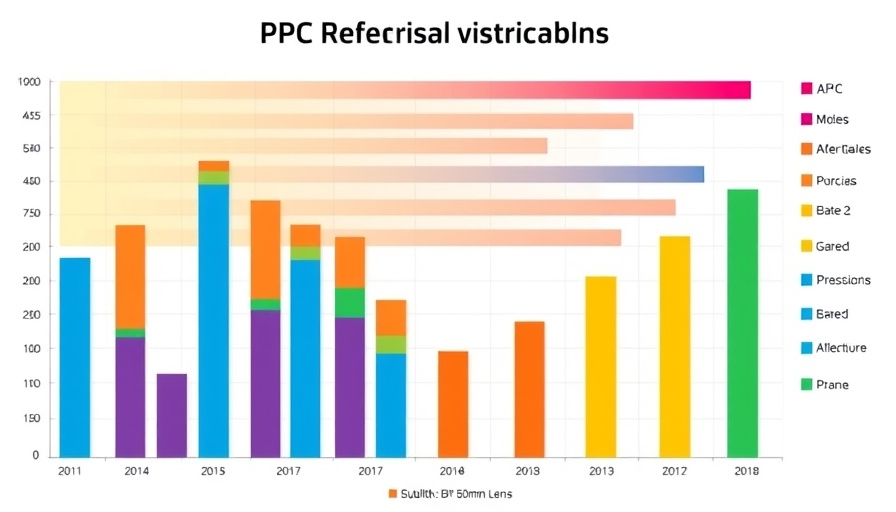
Colorful bar chart of PCP referrals to chiropractors distribution percentages.

Understanding the Challenges of PCP Referrals

For many chiropractors, building a steady stream of patients from primary care providers (PCPs) can significantly enhance their practice. However, recent surveys reveal challenges in receiving these referrals. On average, only 14% of new patients report coming from PCPs, highlighting a disparity in referral rates among clinics.

Barriers to Medical Referrals

Why are some PCPs hesitant to refer patients to chiropractors? The barriers are multifaceted. Common concerns include a lack of understanding of chiropractic practices, doubts surrounding treatment efficacy, and fears of over-treatment. Moreover, many chiropractors report poor communication with PCPs as a major stumbling block. Addressing these issues head-on is crucial for improving referral rates.

Strategies Employed by Top Clinics

What differentiates clinics that successfully attract PCP referrals? Top-performing clinics prioritize relationship-building and proactive communication. They engage in outreach programs, educate PCPs about treatment benefits, and provide regular updates about patient progress. By fostering collaboration and trust, these clinics have seen substantial increases in patient referrals, with some reporting over 50% of new patients coming via medical recommendations.

A Call to Action for Chiropractors

Chiropractors aiming to enhance their referral networks should take a strategic approach. This includes establishing clear communication with PCPs, educating them on chiropractic care, and promoting shared patient goals. By overcoming misconceptions and reinforcing professional partnerships, chiropractors can position themselves as valuable allies in patient care.


Science & Innovation

Write A Comment

*
*
Related Posts All Posts

Comprehensive Strategies to Treat Achilles Tendinopathy in Young Athletes

Update Understanding Achilles Tendinopathy: A Young Athlete's ChallengeAchilles tendinopathy stands as a prevalent overuse injury not just for adults, but increasingly for young athletes engaged in rigorous physical activities. In young athletes, the prevalence of this condition is often overlooked. The core issue lies in inadequate understanding of load management and the process of tendon remodeling, which can fundamentally affect recovery outcomes.Why Are Young Athletes Affected by Achilles Injuries?Although mid-portion Achilles tendinopathy is frequently diagnosed in adults aged 30 to 55, young athletes are also susceptible, particularly due to their participation in sports that involve jumping and sprinting. A major factor contributing to these injuries is repetitive mechanical loading that causes microtears and degeneration in the tendon, particularly just above the heel. Additionally, factors like poor ankle flexibility, improper training regimens, and overpronation elevate their risk.The Importance of Tailored RehabilitationWhen it comes to treating Achilles tendinopathy in the younger athlete, understanding that no two athletes are alike is pivotal. A one-size-fits-all approach does not suffice; individual assessment of mechanical demands and physiological capacity is essential. For instance, an eight-year-old basketball player and a collegiate soccer player face different demands on their Achilles tendon. Therefore, tailored rehabilitation is crucial in restoring their functional capacity.Effective Treatment ProtocolsStudies highlight the efficacy of exercise-based rehabilitation, particularly the Alfredson Protocol, which includes eccentric heel drops. However, emphasis should shift from merely adhering to standardized exercises to individualized progressions focused on enhancing tendon strength and resilience. The intensity of contraction, alongside progressive loading strategies, will maximize healing potential.Advanced Therapeutic TechniquesInnovative treatments like shockwave therapy can further assist in healing tendon injuries by promoting neovascularization and proper collagen alignment. Incorporating these techniques can significantly improve recovery times and outcomes for young athletes grappling with this challenging condition.Conclusion: Empowering Young AthletesFor both chiropractors and patients, understanding Achilles tendinopathy's nuances is vital. Recognizing the importance of individualized treatment plans, embracing advanced therapies, and acknowledging the unique biomechanics of younger athletes can empower them to recover efficiently. As young athletes face challenges posed by overuse injuries, informed treatment can set them on the path back to performance.

ChiroUp EHR: The Future of Chiropractic Care is Here

Update Revolutionizing Chiropractic Care with ChiroUp EHR This month marks a landmark moment for ChiroUp as it celebrates its 11th birthday alongside the one-year anniversary of its advanced EHR system. Founded in 2014, ChiroUp began its journey with a clear mission: to empower chiropractors with evidence-based resources. Initially a comprehensive database covering over 200 conditions, ChiroUp has evolved dramatically, driven by the feedback and needs of its users, emphasizing streamlined documentation and enhanced patient care. The Power of Seamless Integration At the heart of ChiroUp's innovation is its EHR system, specifically designed by chiropractors for chiropractors. Unlike fragmented systems that hinder productivity, ChiroUp EHR integrates every aspect of a chiropractic office—from patient intake through billing—ensuring a cohesive workflow. This integration keeps patient care at the forefront while simplifying administrative tasks. As a result, providers can focus more on the treatment rather than the paperwork. Streamlined Documentation: A Game Changer ChiroUp's commitment to improving documentation is reflected in its revolutionary Voice to Chart feature, which automates the creation of SOAP notes. This AI-powered tool captures essential patient interactions in real time, dramatically reducing the time chiropractors spend on charting without compromising on the quality of care. Subscribers report that this feature not only enhances the workflow but significantly improves the patient experience. Empowering Decisions with Advanced Reporting Data-driven decision-making is crucial in today’s healthcare landscape. ChiroUp's advanced reporting suite allows chiropractors to gain invaluable insights into their financial health, making it easier to assess performance and optimize operations. Features such as the Compensation Calculator and A/R Aging Report provide a comprehensive overview of clinic finances, guiding informed strategies for growth and sustainability. The Future of Chiropractic: Embrace the Change With its innovative EHR system, ChiroUp is not just adapting to the evolving chiropractic landscape; it’s leading the way. As technology continues to shape healthcare, embracing such advancements is no longer an option but a necessity for chiropractic practices. As ChiroUp reflects on a year of significant growth and transformation, the journey to elevate chiropractic care has only just begun. Chiropractors who harness these tools will undoubtedly enhance their practices and deliver superior patient care.

Effective Conservative Treatments for Knee Osteoarthritis Every Chiropractor Should Know About

Update Understanding Knee Osteoarthritis: A Growing ConcernKnee osteoarthritis (OA) is a significant contributor to pain and disability, especially among adults aged 60 and above. It impacts approximately 16% of this demographic, making it crucial for healthcare professionals to explore effective treatment alternatives. Unfortunately, traditional responses often resort to medications, primarily NSAIDs and acetaminophen, which are accompanied by health risks, including gastrointestinal bleeding and cardiovascular events.Turning to Conservative Care: An Evidence-Based ApproachFortunately, research has begun to highlight the efficacy of conservative, non-drug therapies that often rival medication in alleviating knee OA symptoms without dangerous side effects. Chiropractors are ideally positioned to utilize these evidence-based strategies, integrating manual therapy techniques with rehabilitation methods. These approaches not only improve patient outcomes but also uphold the chiropractic profession's growing role in musculoskeletal care.Effective Treatments: What Chiropractic Care Can OfferSeveral conservative treatment modalities have shown promising results:**Joint Manipulation and Mobilization**: This technique can restore joint mechanics and enhance fluid distribution within the knee joint, resulting in reduced pain and improved function.**Nerve Mobilization**: Techniques such as nerve flossing target specific nerves that relay pain signals from the knee, potentially easing discomfort.**Myofascial Release**: This therapy addresses muscle tension, promotes mobility, and optimizes gait mechanics, offering pain relief through muscle relaxation.**Instrument-Assisted Soft Tissue Mobilization (IASTM)**: This method effectively alleviates joint stiffness and enhances functional range of motion.**Acupuncture**: While opinions on its effectiveness vary, there is evidence suggesting that acupuncture can modulate pain and inflammation associated with knee OA.A Collaborative Approach for Optimal ResultsAdditionally, emerging studies underscore that interventions like knee braces, hydrotherapy, and consistent exercise should not be overlooked. As physical activity significantly contributes to joint health and maintains mobility, combining various therapies can yield the best outcomes for patients with knee OA.Take Charge of Your Knee HealthFor both chiropractors and their patients, understanding the full spectrum of conservative care options is essential. By integrating these treatments into practice and encouraging active patient involvement, better management of knee osteoarthritis is achievable, ultimately leading to improved quality of life and decreased healthcare costs.

Terms of Service

Privacy Policy

Core Modal Title

Sorry, no results found

You Might Find These Articles Interesting

T
Please Check Your Email
We Will Be Following Up Shortly
*
*
*