
Add Row
Add Element
cropper
update
update
Add Element
  • Home
  • Categories
    • Real People Real Results
August 29.2025
2 Minutes Read

Explore the 4 Stages of Degenerative Disc Disease and Find Relief

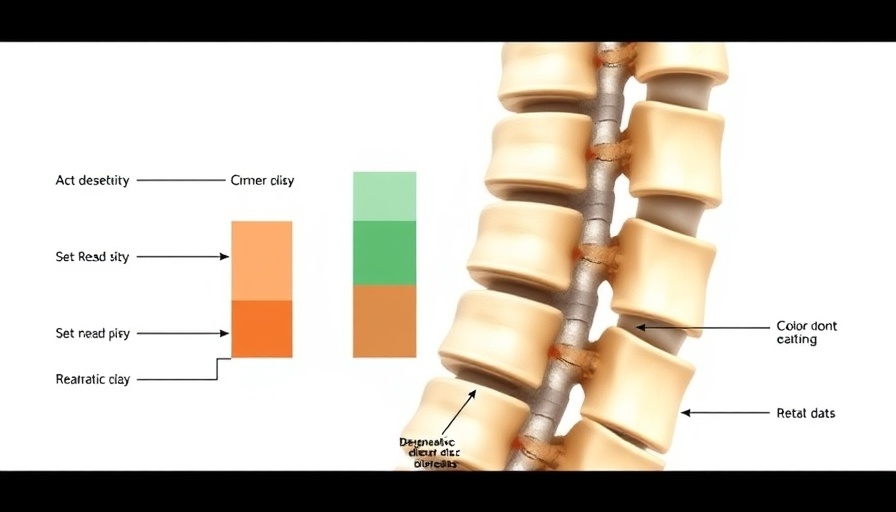
Medical illustration of 4 stages of degenerative disc disease progression.

Understanding Degenerative Disc Disease: A Closer Look at Its Stages

Degenerative disc disease (DDD) is a common condition affecting the spine, primarily characterized by the gradual deterioration of the spinal discs. While the decline can be attributed to aging, it doesn't always result in pain or significant symptoms for everyone. Understanding the stages of this condition is vital for anyone experiencing discomfort, as early intervention can significantly improve outcomes.

The Four Stages of Degenerative Disc Disease

DDD progresses in four distinct stages, each presenting different symptoms and challenges.

Stage 1: Subtle Beginnings

In the initial stage, most individuals may remain symptom-free. However, slight changes such as a loss of spinal curvature hint at the onset of degeneration. Addressing even these minor indicators early can prevent further strain and deterioration.

Stage 2: The First Signs of Pain

As the disease evolves, symptoms become more pronounced. Disc thinning and the formation of bone spurs can lead to noticeable discomfort. A narrowing spinal canal can also trigger pain, compelling many to seek treatment.

Stage 3: Major Changes and Increased Pain

At this stage, postural changes become evident, and pain can become chronic. Limited mobility and nerve damage might occur as the discs continue to degenerate and scar tissue forms. This stage is crucial; intervention can help alleviate pain and maintain mobility.

Stage 4: Advanced Degeneration

The final stage often symbolizes irreversible damage, with severely thin or even absent discs. This can lead to substantial pain and rigid spinal structures. In severe cases, bones may fuse, leading to other complications.

How Chiropractic Care Can Aid You

Chiropractic care offers a safe, non-invasive way to handle degenerative disc disease. Regular adjustments can restore spinal alignment, while therapies such as spinal decompression promote healing by alleviating nerve pressure. These methods not only relieve pain but can also help slow the progression of DDD.

Take Action Today

The key to managing degenerative disc disease lies in early action. By seeking chiropractic care sooner rather than later, you can effectively manage symptoms and enhance your quality of life. Reach out to a chiropractic provider to explore treatment options that can lead you on the path to a healthier, pain-free existence.


Real People Real Results

Write A Comment

*
*
Related Posts All Posts

Understanding the Impact of Weight-Bearing MRI in Cervical Spine Imaging for Chiropractors

Update Revolutionizing Cervical Spine Imaging: The Emergence of Weight-Bearing MRI Conventional MRIs, typically performed with patients lying down, often fail to capture the complexities of the cervical spine as they exist under everyday physiological conditions. This traditional approach can overlook critical pathologies that manifest only when the patient is upright. Enter weight-bearing MRI (WBMRI), a groundbreaking technology that allows for imaging during natural movements and loads. This innovation is not just a technical upgrade; it represents a paradigm shift in understanding neck pain and cervical abnormalities. Understanding the Need for Weight-Bearing MRI Cervical spine conditions such as stenosis and radiculopathy frequently go undiscovered in standard supine MRIs. According to a recent scoping review published in European Journal of Radiology Open, traditional imaging does not replicate daily activities and stressors, which can lead to significant underdiagnosis of conditions that worsen in an upright position. WBMRI addresses these limitations by allowing imaging in a seated or standing position, thereby revealing hidden anatomical and physiological changes. Key Advantages of WBMRI: What the Research Shows Several studies have highlighted the increased diagnostic utility of WBMRI. Findings suggest that this method can better detect conditions such as spinal canal narrowing, foraminal stenosis, and even unique issues like altered cerebrospinal fluid (CSF) dynamics which are critical for assessing conditions like Chiari malformation. Research has shown that dynamic imaging during flexion and extension can reveal significant differences in alignment and motion that are not apparent when the patient is lying down. Practical Implications for Chiropractors For chiropractors, WBMRI offers a more precise tool for diagnosing and treating patients with cervical-related ailments. Integrating this technology can enhance clinical outcomes by ensuring that specific pathologies are accurately diagnosed and managed. As evidence accumulates, WBMRI can inform treatment plans, improve patient satisfaction, and ultimately lead to better results. Future Prospects: The Path Ahead The clinical implications of WBMRI are increasingly recognized, but challenges remain. Barriers such as limited availability of scanning facilities and the need for larger-scale validation studies must be overcome to make WBMRI routine in clinical practice. However, as modalities and protocols are standardized further, the potential for broader applications—including in sports medicine and rehabilitation settings—becomes clearer, enhancing the overall treatment landscape for patients suffering from cervical spine disorders. As highlighted by the scoping review, while WBMRI offers heightened sensitivity in detecting dynamic changes within the cervical spine, further research is needed to establish its cost-effectiveness and long-term clinical outcomes. The integration of this technology into chiropractic practices may lead to a transformative era in spinal health management. Taking Action: Moving Towards Enhanced Diagnostic Tools Chiropractors looking to elevate their practice and provide state-of-the-art diagnostic options should consider exploring WBMRI technology. Engaging with providers and advocates for improved access to this technology could not only benefit individual practices but also enhance the standard of care within the chiropractic field.

Evolving Strategies: How Low Back Pain Management Has Changed in 20 Years

Update The Evolution of Low Back Pain Management: Transformative Changes Over 20 YearsLow back pain (LBP) is a pervasive condition affecting millions globally, recognized as a leading cause of disability. Notably, the management and treatment strategies employed by healthcare professionals for LBP have seen considerable evolution over the past 20 years. A recent study highlighted the shifts in clinical practice among physiotherapists, osteopaths, and chiropractors in the UK, comparing findings from 2003 to 2023.A Shift in Clinical PracticeThe study examined how healthcare professionals have adapted their approaches to treating acute non-specific LBP. Key findings indicated a marked decrease in the reliance on traditional diagnostic tools such as X-rays, with a significant increase in the use of MRI as practitioners align with best practices. Moreover, trends show a reduction in spinal manipulation techniques, with an increase in the utilization of massage therapy and acupuncture, indicating rising preferences for more holistic treatment approaches.The Role of Clinical GuidelinesDespite the existence of clinical guidelines to inform LBP management, gaps remain in adherence and application among practitioners. While these guidelines advocate active management and discourage excessive bed rest, practitioners' responses in surveys indicated varied interpretations leading to inconsistent application of evidence-based practices. For instance, while physiotherapists have historically advocated for activity promotion, recent trends show shifts where they provided more restrictive recommendations for work and activity, contrary to their previous approaches.Understanding the Impacts of Lifestyle ChangesThe past two decades have also seen major changes in lifestyle and occupational demands on patients, factors that directly influence LBP presentations and treatment outcomes. Understanding psychosocial influences on pain perception and management has become increasingly recognized among practitioners. Efforts to address these psychosocial dimensions have gained prominence in the clinical discourse.Insights from Research and PracticeThe recent study draws on data from over 1,388 clinicians and illustrates the frequently changing nature of professional practice when treating LBP. Through comprehensive surveys that employed identical patient vignettes across both decades, researchers found that while some professional groups have shifted towards more patient-centered approaches, others have exhibited less alignment with established guidelines.Implications for Future PracticeAs the landscape of LBP management continues to evolve, it becomes increasingly crucial for healthcare professionals to stay informed through continual education and practice improvement initiatives. By aligning clinical practices with evidence-based guidelines, healthcare professionals can enhance patient outcomes and contribute to reducing the global burden of low back pain.In conclusion, the evolving nature of LBP management reflects broader changes in health professions and community needs. By fostering a culture of adaptability and evidence-based decision-making, practitioners can improve the care provided to patients suffering from LBP.

Unlocking the Benefits of Spinal Adjustments for Chronic Neck Pain Relief and Movement Control

Update Understanding Chronic Neck Pain and Its ImpactChronic neck pain is a common ailment that affects many individuals, impacting not only daily comfort but also overall quality of life. This condition, often characterized by persistent discomfort that lasts three months or longer, has been linked to various factors such as poor posture, stress, and previous injuries. Individuals often seek relief through various treatments, but there's growing evidence supporting the role of spinal adjustments in improving head movement and reducing pain. Spinal Adjustments: A Game Changer for Neck PainRecent research underscores the potential of spinal manipulation in enhancing head movement control in patients with chronic neck pain. A study conducted by leading chiropractic researchers demonstrated that spinal adjustments could facilitate neuro-muscular changes, helping patients move more efficiently and with less discomfort. This challenges the conventional perception that chiropractic care is solely about pain relief—it's about enhancing functional movement and quality of life. The Scientific Basis: Evidence that MattersAccording to a narrative review focused on the effectiveness of spinal manipulative therapy (SMT) for spine pain, spinal adjustments have been shown to be effective not only in treating pain but also in improving range of motion and coordination. Clinically, spinal manipulations are recognized for their role in restoring normal spinal function. The review highlighted that SMT can be as effective as standard medical interventions, such as physical therapy and medication, for managing neck and low back pain. Broader Implications: Beyond Pain ReliefThe insights from emerging research emphasize that the implications of spinal adjustments extend beyond mere pain relief. They suggest concrete benefits in restoring proper neck function, improving head movement, and reducing the associated risks of falls or injuries—particularly important for older adults who experience cervical degeneration. Improving head movement control can significantly enhance balance and stability, thereby reducing potential fall risks. Complementing Treatment Plans for Better OutcomesThe combination of spinal adjustments with other therapeutic modalities, such as exercise therapy and patient education, is increasingly seen as a best practice in managing chronic neck pain. Recent guidelines recommend integrating spinal manipulation alongside a multimodal approach, providing a comprehensive strategy for treating patients. This approach acknowledges the multifaceted nature of neck pain, which often requires a blend of therapies for the best outcomes. Common Misconceptions and the Path ForwardDespite the evidence supporting chiropractic care, misconceptions remain prevalent. Many view chiropractic techniques as unregulated or unscientific. It's essential for practitioners to educate patients about the validated benefits of spinal adjustments and their roles in managing chronic pain conditions. Future research is vital to continue honing chiropractic practices and integrating them into mainstream healthcare. In Conclusion: The Value of Spinal AdjustmentsFor chiropractors and the general public alike, the evolving landscape of understanding chronic neck pain highlights the multifaceted benefits of spinal adjustments. The evidence suggests not only an immediate improvement in pain but also a significant enhancement in functional movement capabilities. Emphasizing this can empower patients to seek the most effective treatments available and encourage healthcare providers to adopt comprehensive care models. If you or someone you know is affected by chronic neck pain, consider consulting a chiropractor to explore the benefits of spinal adjustments.

Terms of Service

Privacy Policy

Core Modal Title

Sorry, no results found

You Might Find These Articles Interesting

T
Please Check Your Email
We Will Be Following Up Shortly
*
*
*