
Did you know that up to 40% of people will experience sciatica in their lifetime? Sciatica’s relentless nerve pain can impact nearly every part of your daily routine, from walking and sitting to sleeping through the night. Understanding the causes, symptoms, and treatment options for sciatica is the first step toward lasting relief. This in-depth guide not only explores the medical facts but also empowers you with proven strategies, recovery timelines, and advice for managing and preventing sciatica so you can reclaim your life.
What You’ll Learn About Sciatica
- Understand the causes and symptoms of sciatica
- Explore effective treatment for sciatica: nonsurgical and surgical options
- Find out when to consult a care provider for sciatica and lower back pain
- Learn practical tips for managing and preventing sciatica
Startling Facts: Why Sciatica Can't Be Ignored
"Up to 40% of people will experience sciatica at some point in their lives."
While lower back pain is common, sciatica stands out because of its severe potential impact on quality of life. Cases of sciatica go beyond regular backaches, often involving nerve pain, tingling, numbness, and even weakness down the affected leg. The symptoms can interfere with basic movements, work tasks, and sleep, sometimes persisting for weeks or even months without proper management. This is why addressing sciatica promptly is crucial: early intervention can mean the difference between swift recovery and chronic pain. Timely recognition and targeted treatment for sciatica help prevent further nerve damage, reduce severe pain, and get you back to living the life you want.
Understanding Sciatica: What Is It?
The Sciatic Nerve and Its Role in Lower Back Pain
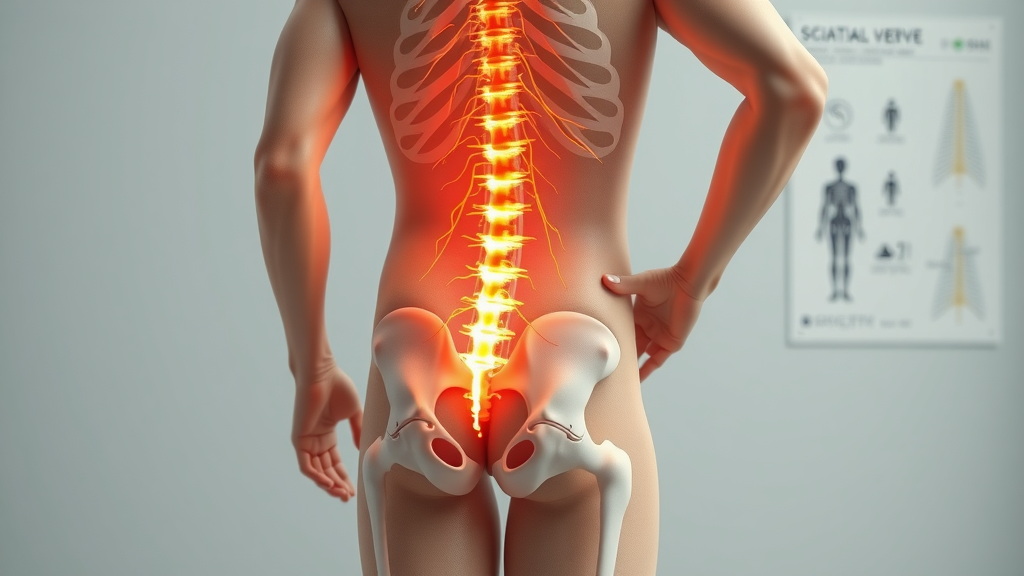
The sciatic nerve is the largest nerve in your body, running from your lower back, through your hips and buttocks, and down each leg. When this nerve or one of its nerve roots becomes compressed or irritated—often by a herniated disk or bone spur—it results in the unmistakable symptoms of sciatica: intense leg pain, numbness, tingling, or weakness, primarily affecting one side of the body. Unlike typical lower back pain, sciatica pain often radiates from the low back down the back of your thigh, sometimes reaching your lower leg or foot. This neural pathway explains why sciatica frequently involves more widespread discomfort than localized back pain alone. The distinction is vital for correct diagnosis and helps shape the best treatment for sciatica based on the underlying cause of nerve pain.
How Sciatica Differs from Common Back Pain
It’s easy to confuse lower back aches and pains with sciatica, but there are distinct differences. Sciatica specifically involves nerve root compression or irritation, typically resulting in radiating symptoms down the affected leg. Regular back pain may be musculoskeletal—resulting from strains or sprains—without the nerve involvement that characterizes sciatica. Another key indicator: the pain of sciatica usually worsens with certain movements, such as bending, sitting, or even coughing, whereas generic back pain might come and go or respond well to rest. If you notice pain that starts in your lower back and shoots through your hip or leg, or if you experience numbness and weakness in the lower extremities, these are symptoms of sciatica that warrant special attention and possible care provider evaluation.
Symptoms of Sciatica: What to Watch For
- Radiating pain, numbness, tingling, or weakness anywhere along the sciatic nerve
- Lower back pain linked to sciatic nerve issues, often more intense in one leg
Symptoms of sciatica often display a clear pattern: persistent or intermittent pain radiating from your low back or buttock down your leg, sometimes all the way to your toes. Associated numbness, tingling, or feelings of pins and needles are telltale signs, especially if you experience weakness or difficulty moving your lower leg or foot. In severe cases, you might also notice loss of bladder or bowel control, which requires emergency care. Recognizing these hallmark symptoms early allows for the best outcomes with both nonsurgical and surgical treatment for sciatica.
Sciatica Causes: Why Does It Happen?
Common Triggers: From Herniated Discs to Lifestyle Factors
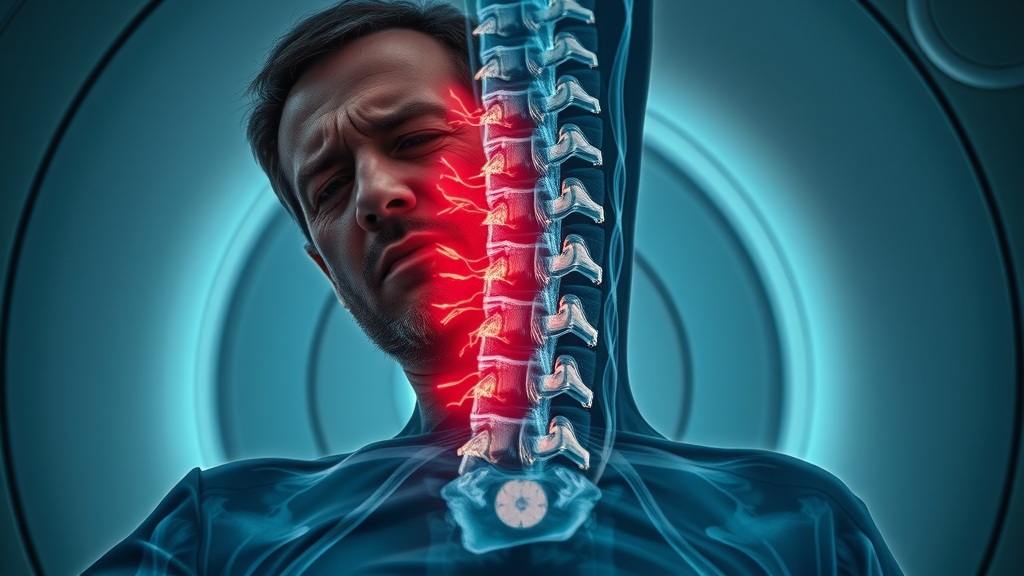
Most cases of sciatica start with pressure or inflammation affecting one or more nerve roots of the sciatic nerve. The most frequent cause is a herniated disk, where a portion of the spinal disc presses on or pinches the nerve. Other common triggers include bone spurs (abnormal bony growths), spinal stenosis (narrowing of the spinal canal), muscle imbalances, and even lifestyle factors like prolonged sitting or improper posture. Occupations that involve heavy lifting or twisting, or those requiring long hours of sitting, tend to increase your risk of developing sciatica pain. Obesity, lack of regular exercise, and even pregnancy can apply additional pressure to the low back and sciatic nerve, setting the stage for nerve compression and resultant nerve pain.
Underlying Chronic Conditions Associated With Sciatica
In addition to acute injuries or poor habits, chronic spinal conditions can play a significant role in sciatica. These include degenerative disc disease (breakdown of spinal discs over time), osteoarthritis causing bone spurs, and spondylolisthesis (where one vertebra slips forward). Diabetes, by increasing the risk of nerve damage throughout the body, can also heighten vulnerability to sciatic nerve irritation. Recognizing underlying risks and pre-existing conditions is critical for both determining the best treatment for sciatica and preventing recurrences of lower back pain as you age.
| Sciatica Causes | Lower Back Pain Causes |
|---|---|
| Herniated disk, spinal stenosis, bone spurs, nerve root compression, degenerative disc disease | Muscular strain, ligament sprain, poor posture, arthritis, disc degeneration |
| Trauma, spondylolisthesis, tumors near nerve roots, piriformis syndrome | Chronic overuse, obesity, lack of movement, lifestyle factors, acute injury |
How to Fix a Sciatic Nerve?
Nonsurgical Treatment for Sciatica: First-Line Solutions
- Physical therapy and stretching routines
- Lifestyle and posture adjustments
The majority of sciatica cases resolve with nonsurgical treatment. Physical therapy is often the cornerstone, offering a combination of stretches and strengthening exercises for the lower back and core. These routines help reduce nerve compression, improve spinal alignment, and speed up recovery. Anti-inflammatory medications (NSAIDs), hot or cold compresses, and gentle activity often complement physical therapy to manage acute symptoms of sciatica. Avoiding prolonged bed rest is key: light movement and proper ergonomics at work and home help soothe sciatica pain and prevent recurrence. When conservative treatment isn’t sufficient, your care provider may suggest advanced options like nerve root injections or alternative therapies to further alleviate discomfort.
When is Surgical Treatment for Sciatica Necessary?
- Indicators and criteria for surgical intervention
- Recovery expectations and outcomes
Surgery is reserved for severe cases where nonsurgical treatment has failed and symptoms significantly affect quality of life or threaten long-term nerve function. Candidates for surgical treatment often present with persistent, worsening leg pain, severe weakness, or progressive nerve damage impacting mobility. In rare cases, sudden loss of bladder or bowel control signals a medical emergency requiring immediate attention. Surgical options may include microdiscectomy (removal of the herniated portion of a disk) or laminectomy (removal of a portion of bone causing nerve compression). While surgery generally offers prompt symptom relief, recovery involves gradual reintroduction of activity, ongoing physical therapy, and open communication with your care provider to monitor outcomes and minimize risk of recurrence.

How Long Does It Take for Sciatica to Heal?
Most people with sciatica see improvement within a few weeks to a few months, especially when treatment begins early. The average healing timeline for nerve pain related to sciatica is 4 to 6 weeks for mild or moderate cases. However, recovery speed depends on several variables: the cause of your sciatica (herniated disk vs. bone spur), severity of symptoms, age, pre-existing health conditions, and how closely you follow your care provider’s recommendations. Persistent, unaddressed compression or inadequate rest and rehabilitation can delay recovery or lead to chronic lower back pain. Seeking professional evaluation and adhering to prescribed nonsurgical treatment are critical for optimal healing and long-term back health.
Personalized Factors: Age, Severity, and Care Provider Guidance
Your individual healing process will be shaped by personal circumstances: younger patients or those with mild symptoms may recover in just a few weeks, while older adults or individuals with chronic conditions such as degenerative disc disease might need several months. Regular communication with a care provider ensures that your treatment plan remains appropriate as you make progress. Follow-up appointments, physical exams, and possibly imaging help track recovery and allow early identification of complications. Committing to daily exercises and ergonomic strategies at home and at work can significantly shorten your journey toward sciatica relief and prevent future flares.
What is the Best Painkiller for Sciatica?
Effective management of sciatica pain often starts with over-the-counter medications such as ibuprofen or acetaminophen, which help reduce inflammation and discomfort. In cases of more severe pain, a care provider may prescribe stronger medications like muscle relaxants or short-term opioids. Prescription gabapentin or pregabalin may be recommended for nerve pain specifically. It’s crucial to use all painkillers under medical supervision, as long-term use—especially of opioids—can result in side effects, tolerance, or dependency. For most individuals, combining medication with physical therapy and lifestyle adjustments offers better, safer relief for low back and sciatic nerve pain than painkillers alone.
Risks and Considerations with Pain Medications
While painkillers can provide rapid symptom relief, they rarely address the root cause of sciatica. Overuse or prolonged use of medications can lead to stomach upset, increased blood pressure, liver or kidney strain, and in some cases, risk of addiction—especially with opioids. Anti-inflammatory drugs and nerve pain agents (such as gabapentin) also have the potential for side effects and drug interactions. Always discuss benefits and risks with your care provider prior to starting any new medication and report any unusual symptoms right away. Your provider may recommend integrating medication with nonsurgical treatment, physical therapy, or ergonomic adjustments as part of a broader strategy for effective and lasting sciatica relief.
"Medication can ease acute sciatica, but long-term management often requires a broader approach." – Expert Comment
What is Sciatica Caused By?
At its core, sciatica is caused by compression or irritation of the sciatic nerve or its nerve roots. The most common culprits are:
- Herniated discs (bulging or ruptured discs pressing on the sciatic nerve)
- Spinal stenosis (narrowing of the spinal canal)
- Degenerative disc disease and age-related changes
Other contributing factors include bone spurs, muscle spasms (such as piriformis syndrome), injury or trauma, and chronic conditions like diabetes, which increases nerve vulnerability. Sedentary lifestyles, poor posture, and prolonged sitting or lifting can exacerbate the risk. Recognizing the underlying cause is essential for designing the most effective treatment for sciatica, so be sure to discuss all symptoms and relevant health history with your care provider.
How to Choose the Right Care Provider for Sciatica
When to See a Care Provider for Back Pain and Sciatica
While many cases of lower back pain resolve on their own, persistent or severe sciatica symptoms require timely evaluation. See a healthcare professional if you experience:
- Pain that starts in the low back and radiates down the leg
- Severe pain, numbness, or weakness in the lower leg or foot
- Loss of bladder or bowel control (emergency situation)
- No improvement with home-based or nonsurgical treatment after several weeks
Your care provider can perform a physical exam, recommend appropriate imaging, diagnose the underlying cause, and tailor the best treatment for sciatica. Early intervention not only speeds recovery but also reduces the risk of chronic nerve damage or repeated recurrences.
Questions to Ask Your Care Provider
Being proactive with your healthcare is key. Essential questions when consulting about sciatica include:
- What is the most likely cause of my symptoms?
- Are there tests (such as MRI) or a physical exam that I need?
- Should I start with nonsurgical treatment, or will I need surgical options?
- How long should I expect recovery to take?
- What signs warrant immediate medical attention?
- What steps can I take at home to complement my treatment plan?
-
Checklist: Preparing for Your Medical Appointment
- Write down all your symptoms and their severity
- Note when your pain started and what worsens or relieves it
- List medications, supplements, and previous treatments
- Gather prior imaging or test results
- Prepare your top questions in advance

Proven Strategies to Manage and Prevent Sciatica
Daily Habits and Exercises
- Ergonomic adjustments at home and work
- Recommended stretches for the lower back
Being proactive with your daily routines can substantially reduce your risk of lower back pain and recurring sciatic nerve issues. Focus on ergonomics: use chairs with proper lumbar support, maintain good posture, and take regular breaks to stretch during long periods of sitting. Incorporate gentle stretching and strengthening exercises for your core and legs, ideally with a physical therapist’s guidance. Commonly recommended stretches include knee-to-chest, seated spinal twists, and hamstring stretches—which relieve tension on the sciatic nerve and support spinal alignment. Prioritizing back health in daily life is a vital part of successful sciatica management and prevention.
Lifestyle Choices That Reduce Lower Back Pain Risk
Long-term reduction in lower back pain and sciatica means staying active, managing your weight, quitting smoking, and practicing mindfulness when lifting or moving heavy objects. Avoiding sedentary habits, maintaining a healthy diet, and reducing stress contribute to spinal health and lower inflammation throughout the body. Engaging in regular, low-impact exercise—such as walking, swimming, or yoga—helps increase blood flow to the nerve roots and strengthens supporting muscles. Creating a supportive environment at home and at work gives your body the best chance to heal, thrive, and remain pain-free in the future.

An in-depth animated explainer covering sciatica’s causes, symptoms, and treatment options, featuring expert commentary and on-screen anatomical diagrams.
Watch a physical therapist demonstrate safe, effective exercises for reducing sciatica pain and improving lower back strength.
Key Takeaways on Sciatica Relief
- Prompt identification and tailored treatment for sciatica are vital.
- Both nonsurgical and surgical sciatica treatments can effectively reduce back pain.
- Consulting the right care provider streamlines recovery from lower back pain.
- Prevention and daily management minimize risk and recurrence of lower back pain.
Frequently Asked Questions About Sciatica
What are the first signs of sciatica?
The first symptoms of sciatica often include sharp or burning pain that starts in the lower back or buttock and radiates down one leg. This may be accompanied by numbness, tingling, or muscle weakness in the affected leg or foot. If pain worsens with coughing, sneezing, or sitting, or comes with loss of reflexes or movement, consult a care provider promptly for evaluation.
Is exercise safe with sciatica?
In most cases, gentle movement and targeted stretching are both safe and beneficial for managing sciatica pain, provided you avoid high-impact activities and movements that worsen your symptoms. Physical therapy often plays a critical role in designing a safe exercise regimen that improves flexibility and strength without risking further nerve compression. Always follow your provider’s specific recommendations.
When does sciatica require emergency care?
Sciatica requires urgent medical attention if you experience sudden weakness or numbness in the leg, loss of bladder or bowel control, or rapid increases in severe pain. These could indicate significant nerve damage or compression, and delay in treatment can result in permanent injury. Contact a care provider or go to the emergency room immediately if these warning signs occur.
Can lower back pain always be linked to sciatica?
Not all lower back pain is caused by sciatica. While both conditions can share symptoms, sciatica specifically involves nerve root compression resulting in pain radiating down the leg. Back pain that doesn’t radiate is often musculoskeletal or related to other spinal issues. A care provider can identify the specific cause through examination and diagnostic imaging.
Does sitting cause or worsen sciatica?
Sitting for long periods can worsen sciatica by increasing pressure on the lower spine and sciatic nerve. Slouching or sitting in a chair without proper support can further irritate the nerve roots, intensifying pain and discomfort. Frequent breaks, ergonomic chairs, and maintaining good posture are essential strategies to avoid aggravating sciatica pain.
Conclusion: Take Your First Step Toward Sciatica Relief
Stop letting sciatica disrupt your life—relief starts with informed action. Call our experienced team.
Call Us at 905-426-4116
Sources
- https://www.mayoclinic.org – Mayo Clinic
- https://www.cdc.gov – CDC: NIOSH on Work-Related Musculoskeletal Disorders
- https://www.spine-health.com – Spine Health
- https://www.aans.org – American Association of Neurological Surgeons
To deepen your understanding of sciatica, consider exploring the following authoritative resources:
This comprehensive guide from the Mayo Clinic details the symptoms, causes, and risk factors associated with sciatica, providing a solid foundation for recognizing and addressing the condition.
Johns Hopkins Medicine offers insights into the treatment options for sciatica, including both non-surgical and surgical approaches, helping you make informed decisions about your care.
If you’re serious about managing and overcoming sciatica, these resources will equip you with the knowledge and strategies needed for effective relief.



Write A Comment